Write the beat, not the whole plot
A generation covers one story beat — roughly 4-12 seconds of screen time — so prompt at that altitude. 'She finds the key' is a beat. 'She inherits a house, discovers a locked room, finds the key, and confronts her past' is four beats: generate them separately and each one will land. The most common story-prompt mistake is cramming a whole act into one clip.
Structure each beat with cause and effect in the sentence: 'the boy releases the lantern, and it drifts up to join a thousand others'. Multi-shot models (Seedance 2, Kling 3) will even cut within the beat — wide on the release, close on his face, tilt up to the sky — if you sketch the coverage in the prompt.
Characters your audience can follow
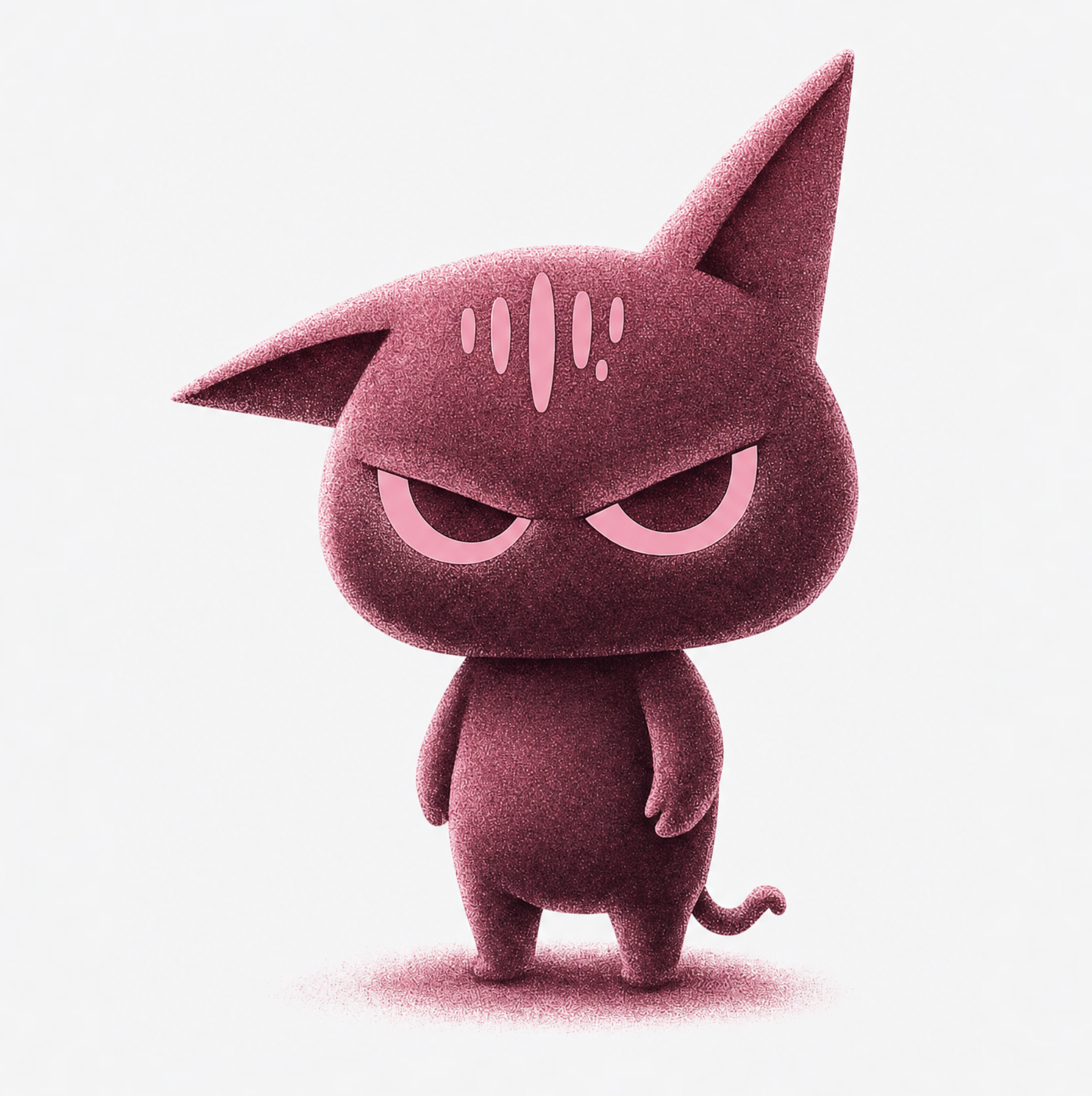
Stories collapse when the hero's face changes between scenes. Nidhogg has two continuity tools: Kling 3 Elements and Seedance 2 reference images carry a specific face, outfit, or prop across generations. Without a reference photo, lock a precise text description of your lead and reuse it word-for-word in every prompt.
For the tightest visual control, work still-first: generate a keyframe of your character in the scene with an image model, perfect it, then animate it with image-to-video. The story stays on-model because every scene starts from a frame you approved.
Narration, dialogue, and voice
A narrated story needs a voice, and Nidhogg's text-to-speech studio provides one: four engines with a library of preset voices for storybook narration, documentary reads, or character lines. To be straight about scope — these are preset voices, not clones of your own; voice cloning isn't something we offer.
For on-screen speech, the lipsync studio turns a still character portrait into talking footage synced to your audio, or redubs an existing clip to a new line. A narrated slideshow becomes a told story the moment a character looks at the camera and speaks.
Chaining beats into a full story
String beats together with visual handoffs: Kling 3 accepts an end frame, so you can pin the last image of scene one and reuse it as the first image of scene two — a match cut the model performs for you. Keep one aesthetic preset across all beats so the story feels graded, not assembled.
Assembly happens in your editor: order the beats, lay the narration under them, tighten the cuts. Honest math: a one-minute story is roughly six to ten generated beats plus a voiceover pass — an afternoon of work, not a production week.