
What makes slow motion read as slow motion
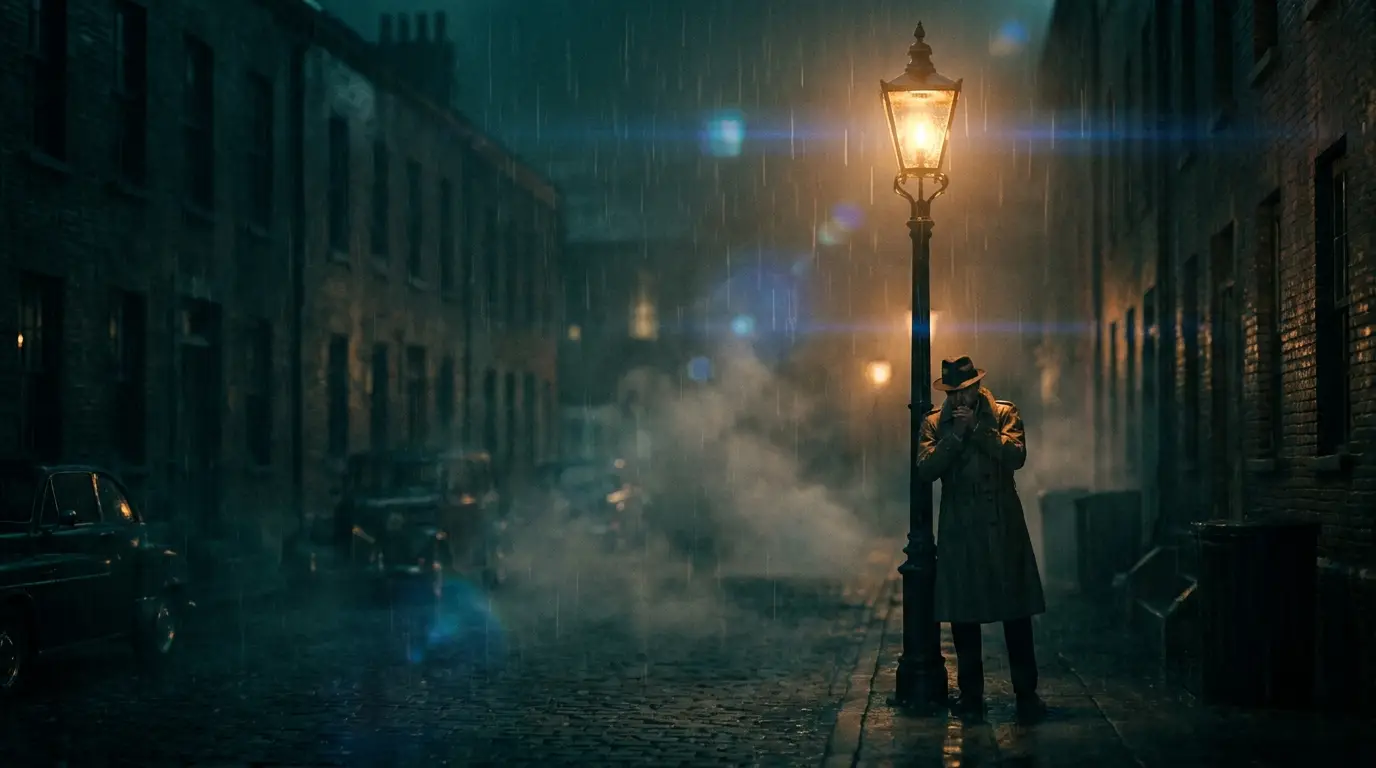
Slo-mo is legible through particles and physics: hair and fabric flowing, water droplets hanging, dust and embers drifting, debris tumbling. A static subject in slow motion looks like a still image — always prompt something airborne. "Flour bursting off the dough as the baker slams it down" gives the model the physics to slow.
Backlight the particles. Droplets and dust are nearly invisible front-lit but sparkle when lit from behind — "backlit by low sun, droplets sparkling" is the classic slo-mo lighting recipe for a reason.
Speed ramps: the modern grammar
A constant-speed slo-mo clip is a mood; a speed ramp is a story beat. The ramp — slow through the wind-up, snapping to real time at impact — creates rhythm and surprise inside a single shot. Nidhogg's SPEED RAMP preset handles the timing language; your prompt supplies an action with a clear impact moment: a jump landing, a punch, a car door slamming.
Ramps are duration-capped at 5 seconds because the move reads as one beat — chain multiple ramped clips for sequences rather than stretching one.
Frozen time: the impossible shot
The FROZEN TIME effect suspends everything mid-motion while the camera keeps moving — the bullet-time lineage. It turns any chaotic moment into a sculpture you can tour: a splash crown frozen above a puddle, confetti paused mid-fall, a market street stopped as the camera weaves between people.
Pair it with BULLET TIME's arcing camera or a slow FLYTHROUGH for maximum effect. These are the shots that make viewers ask how you filmed it — the honest answer being that no one could.