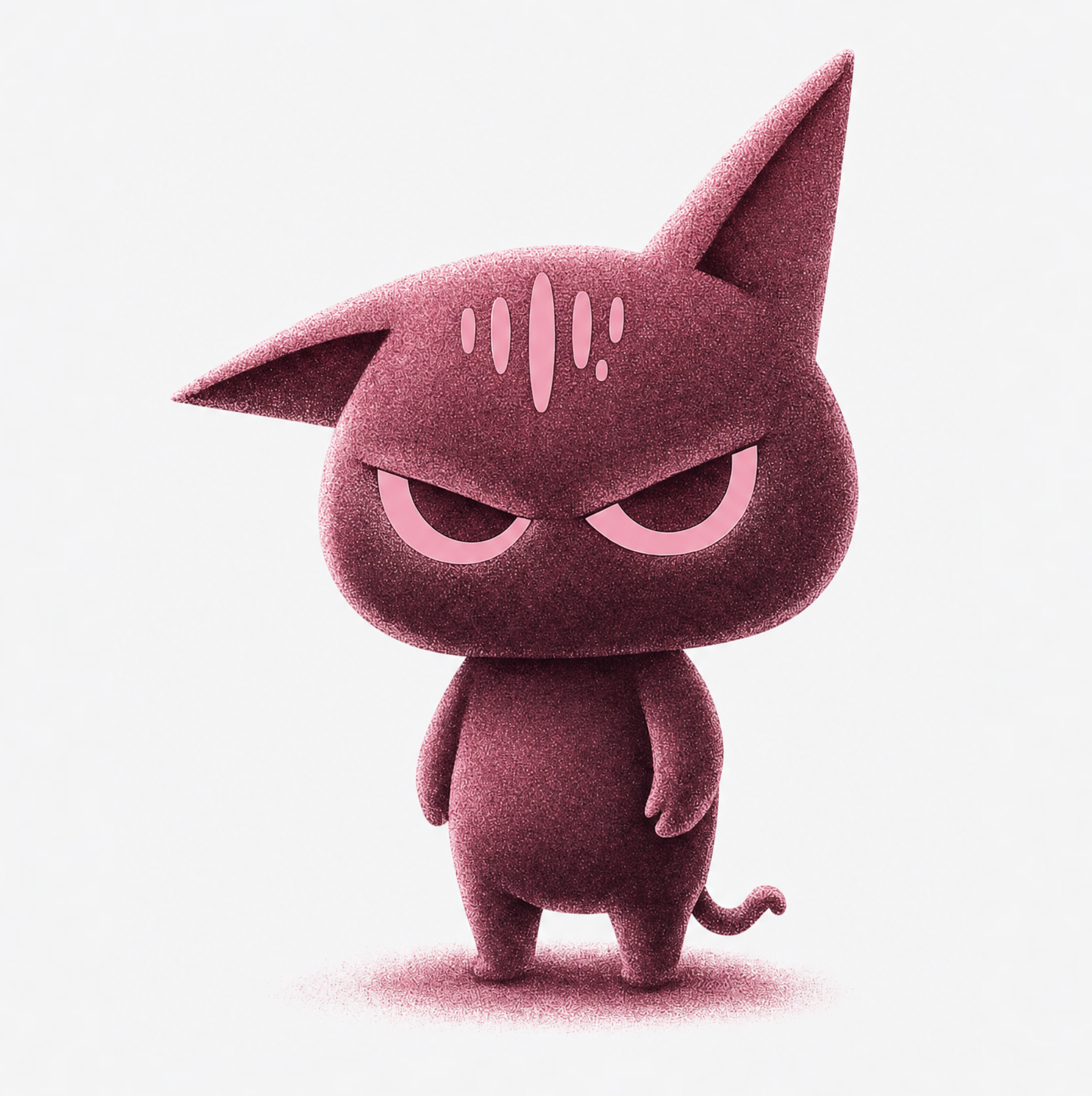
Pick a tradition, not just 'animated'
'Animated style' is the weakest phrase in an animation prompt — every tradition moves differently, and the model needs to know which physics to fake. Claymation has thumbprint texture and stop-motion cadence; anime holds poses and snaps between them; paper cutout slides in flat layers. Prompt the tradition and its tells: 'stop-motion claymation, visible fingerprints, low-framerate cadence.'
Presets do this heavy lifting for you: clay-motion, anime-burst, paper-world, pixel-melt, and comic-halftone each encode a tradition's motion signature. Seedance 2.0 plus one of these is the fastest route to a clip that reads as deliberately animated rather than 'AI video with a filter.'
Start from text or from your artwork
Text-to-video suits invented scenes: 'a clay robot watering a clay sunflower on a windowsill, stop-motion cadence.' But if you already have a character design, an illustration, or a frame from your style guide, image-to-video animates it directly — the artwork becomes the first frame and the model moves within your drawn world.
Illustrators use this to make portfolio pieces move, and brands animate existing mascot art instead of re-briefing it. If you're designing the character from scratch, generate it with FLUX 2 — our stylized image model — art-direct it as a still, then animate the winner.
Loops and holds: motion that reads as animation
Real animation isn't constant motion — it's holds punctuated by movement. Prompt one clear action and let the rest of the frame breathe: 'the cat's tail flicks; everything else still.' Frames where everything wobbles at once are the tell of naive AI animation.
For loops, Kling 3's end-frame control closes the circle: set the end frame identical to the start frame and the clip cycles seamlessly — the foundation of animated stickers, stream overlays, and looping backgrounds.
From clip to sequence
A title sequence or animated short is a chain of clips sharing one style. Keep the tradition preset and style wording identical across generations, and use multi-shot generation on Seedance 2 or Kling 3 when consecutive shots share a character — it maintains design continuity between shots far better than independent generations do.
Then cut to music. Animation forgives hard cuts more than live action does, so even a simple beat-matched assembly of six loops reads as a finished piece.