Style anchors: the secret to consistent anime output
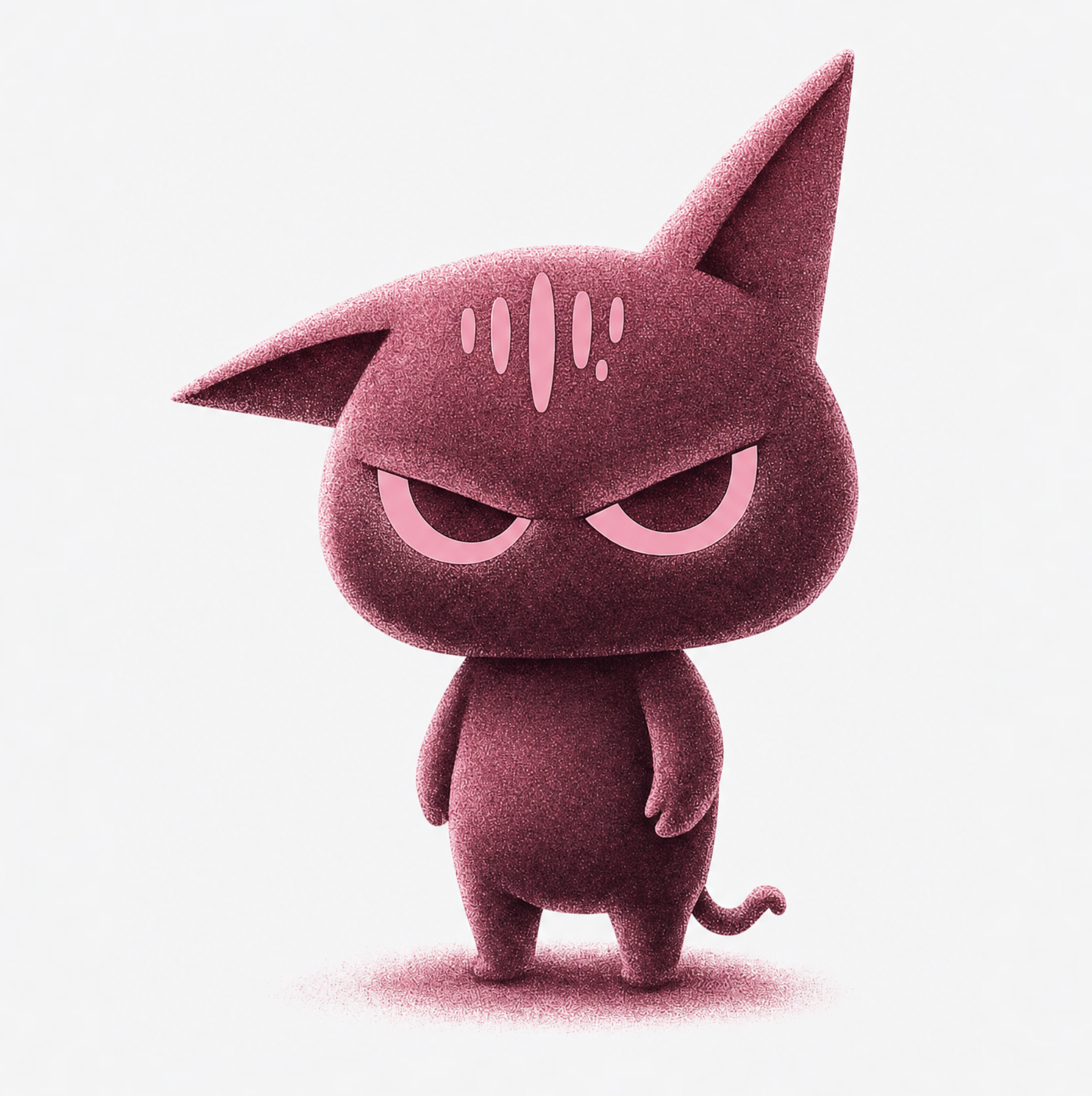
'Anime' alone is too vague — models average across decades of styles and return mush. Anchor with era and technique: 'cel shading, clean line art, flat colors' gives you classic TV anime; '90s OVA style, film grain, muted palette' gives retro melancholy; 'modern digital anime illustration, soft gradient shading, detailed eyes' gives contemporary key-visual polish.
Keep a fixed 'style block' at the end of every prompt and only change the subject in front of it. That's how you generate ten images that look like one artist drew them.
Character detail that actually sticks
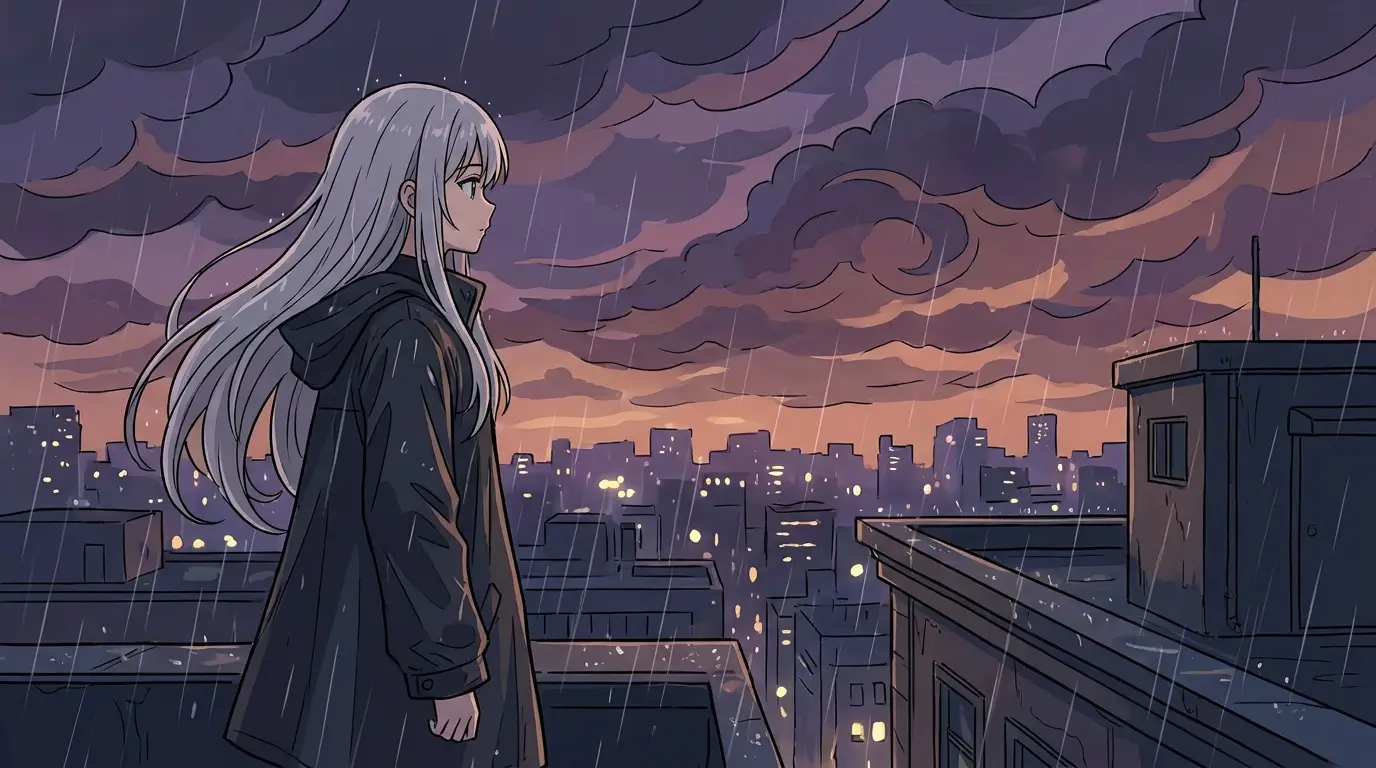
List the traits that define recognizability: hair color and cut, eye color, one signature accessory, and outfit silhouette. Three strong identifiers beat ten weak ones. For scenes, add cinematic direction — 'rainy rooftop at dusk, dramatic sky, wind-blown hair' — because anime models respond strongly to atmosphere cues.
What creators build with it
Webtoon artists rough out panels and backgrounds; VTubers and streamers commission-quality reference art for their personas; writers visualize characters for pitch decks; fans produce original characters (OCs) with full expression sheets. Pair results with Nidhogg's video models to animate a finished still into a short clip.