Prompting believable wildlife
Real wildlife shots have signatures you can prompt directly: telephoto compression ('600mm lens'), an eye-level camera position (shooting down at an animal instantly reads amateur), and a catchlight in the eye that makes the animal look alive. Add a specific behavior — 'pausing mid-step', 'ears rotated back' — because behavior is what separates a portrait from a trail-cam frame.
Seedream v4.5 is the strongest choice for fur and feather texture. Light it like a wildlife photographer would: low backlight or overcast softness rather than flat noon sun. 'Frost on whiskers', 'wet fur clumping', and 'dust in the backlight' are the texture cues that push a render from good to convincing.
Pet portraits — including your actual pet
To feature your own animal rather than a generic one, upload a photo and work image-init: Nano Banana 2 preserves the markings, face shape, and expression that make your pet yours while rebuilding the scene around them.
The /apps library has one-click pet workflows — Royal Pet Portrait puts them in oil-painted regalia, Pet Superhero suits them up, Pet Yearbook does the awkward-school-photo treatment. Each packages the style prompt so you just supply the photo.
Creatures that don't exist
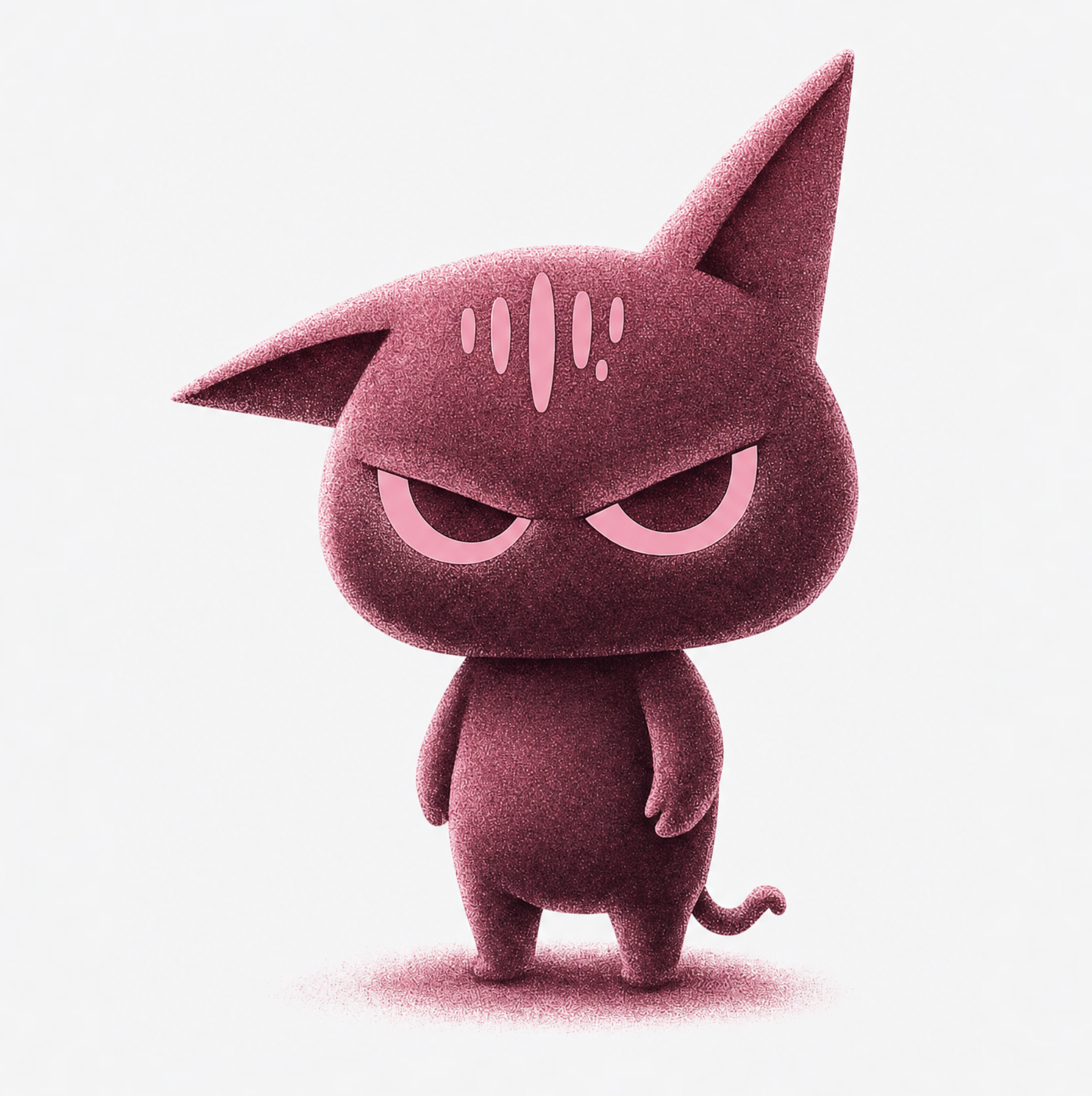
For hybrids, mythics, and invented species, Grok Imagine leans into imaginative scenes and FLUX 2 handles stylized and anime creature designs. Anatomy is the craft here: ground the invention in real reference — 'the body plan of a snow leopard, moth wings folded along the spine' — and the result reads as biology instead of collage.
Scale cues sell size. A dragon is only huge if something tiny anchors the frame — birds circling below it, a treeline at its ankle. Prompt the anchor explicitly.
Outputs beyond the single portrait
Animal subjects feed other formats well: Recraft v4.1 turns a character into die-cut sticker designs with bold outlines, and Nano Banana Pro renders 4K-detail wallpapers where individual hairs stay crisp.
For motion, take a finished still into image-to-video for a short clip — a slow head turn or wind moving through fur reads beautifully in a few seconds. Keep it to one subtle behavior per clip; animals move in small honest gestures, not choreography.