Design for the printer, not the screen
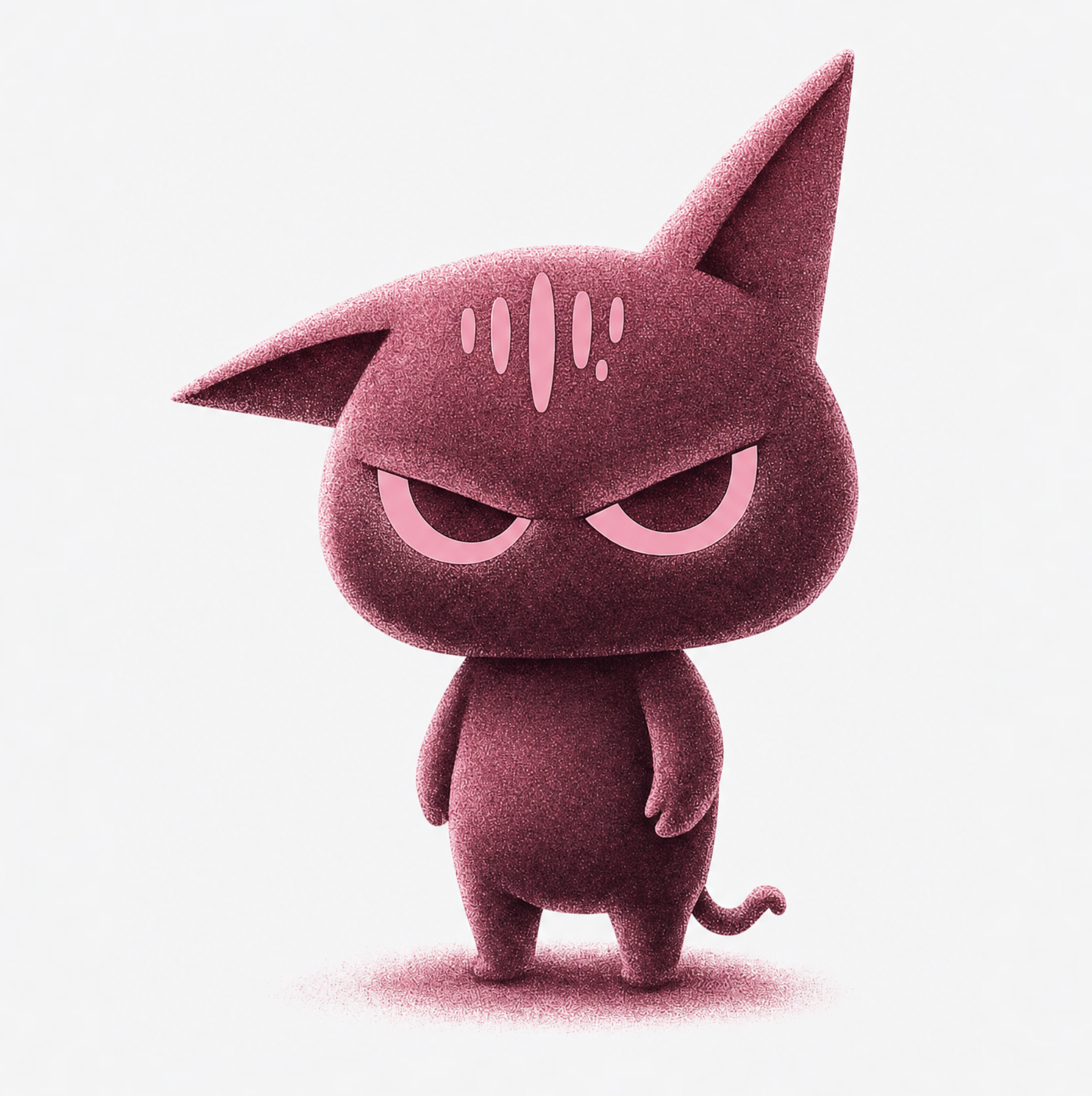
Direct-to-garment printing flattens subtle gradients, muddies dark-on-dark detail, and can't do semi-transparency — a soft glow effect becomes a hard-edged smudge on fabric. What prints beautifully: flat bold colors, strong line work, high contrast, and limited palettes. Prompt for it explicitly: "flat vector style, bold outlines, limited 4-color palette, clean edges". recraft-v41 is built for exactly this graphic-design register and handles text-based designs — the backbone of POD bestsellers — better than photoreal models.
File specs that pass every platform
The de facto standard for apparel is 4500×5400 pixels at 300 DPI on a transparent background. Generate your design on a plain, solid background (it makes background removal trivial), knock it out with Nidhogg's background-removal tool, then upscale to final dimensions. Always zoom to 100% and inspect edges before uploading — fuzzy halos around a knocked-out design are the most common reason a print looks amateur.
Niches beat aesthetics
POD buyers shop identity, not art. The proven formula stacks a passion with an identity and a tone: not "dog design" but "sarcastic dachshund mom". Research phrases people actually search on your marketplace, then generate 10–15 variations per validated niche — different compositions, palettes, and taglines — and publish broadly. Your bestseller list will tell you where to double down; the generation cost of finding out is nearly zero.