Silhouette first, details last
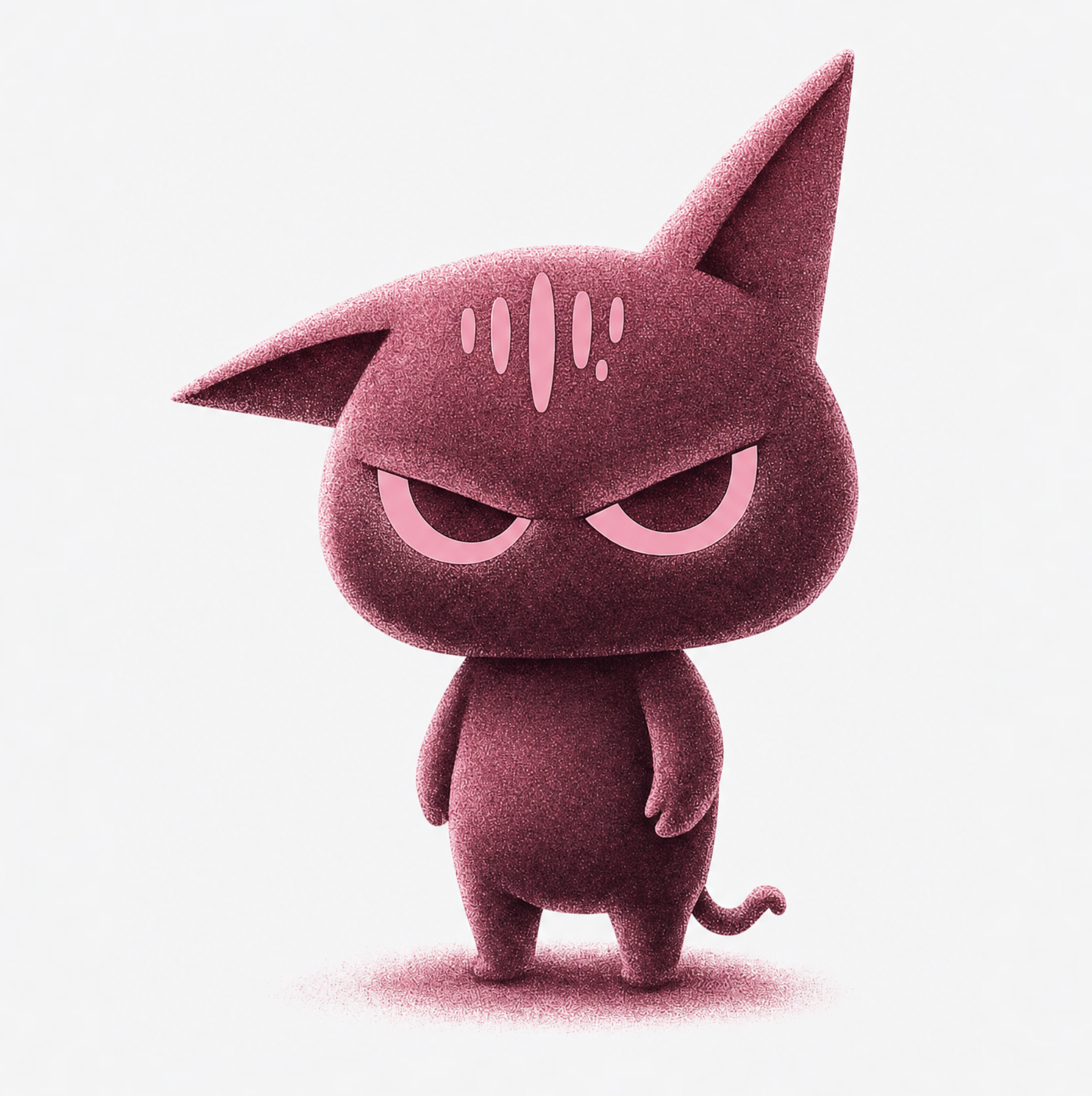
Professional concept artists judge designs by silhouette before anything else — if the shape doesn't communicate, no amount of rendering saves it. Start with prompts like 'concept art thumbnail, strong readable silhouette, simple three-value lighting, minimal detail' and generate 8–10 shape explorations. Pick the two silhouettes that communicate the design's function instantly, and only then prompt for materials, wear, and story details.
This ordering feels slow and is actually the fastest path — detail exploration on a weak silhouette is wasted credits.
Iterate with controlled variables
Change one variable per generation batch: same environment at dawn, noon, and night; same vehicle in pristine, weathered, and battle-damaged states; same creature with three different head structures. Keeping everything else in the prompt frozen makes each batch an actual comparison instead of a lottery. FLUX Pro's prompt adherence makes it the right model for this discipline.
Pitch decks, game studios, and film pre-viz
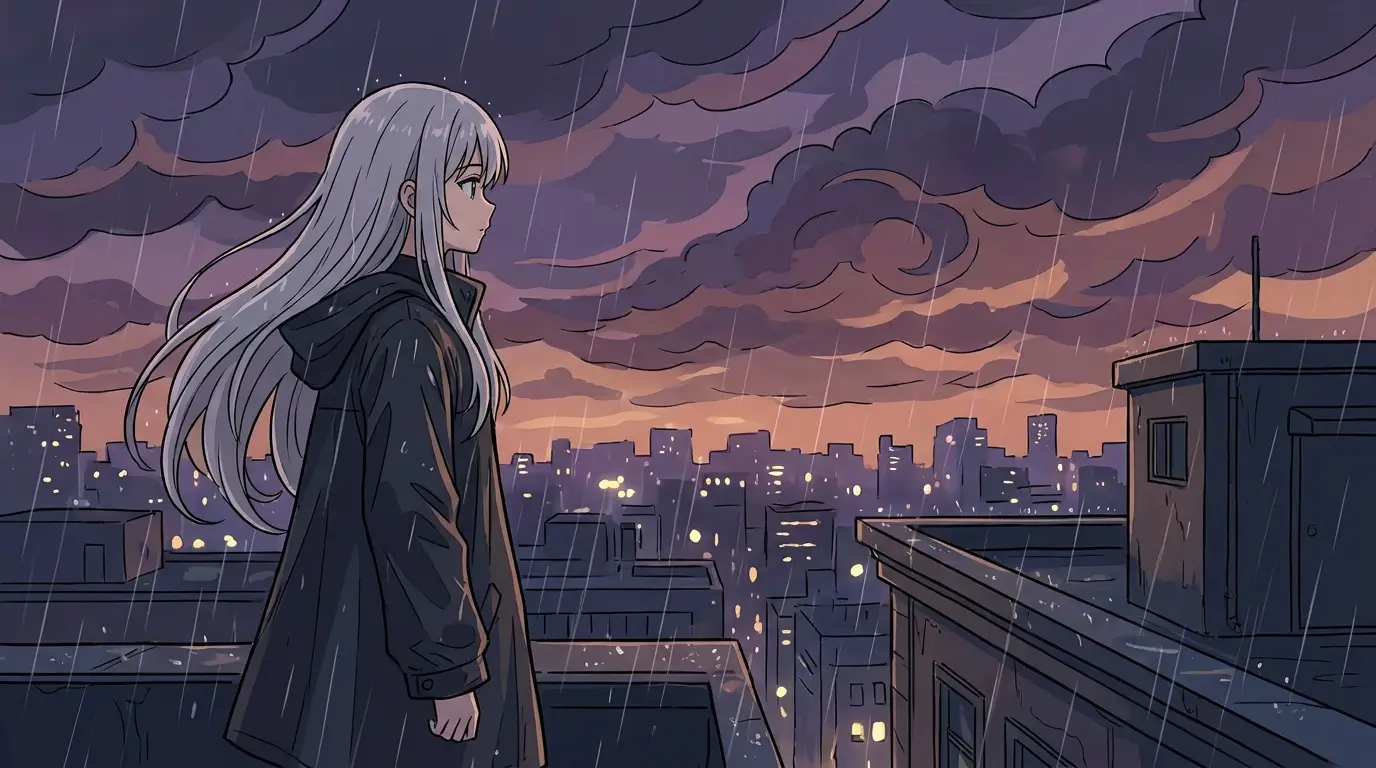
Indie game teams fill art bibles before hiring an art team; film and animation pitches use generated environment keys to sell tone; product designers explore form-language directions before CAD. The output's job is alignment — getting a whole team seeing the same picture — and generated concept iterations do that as well as hand-painted ones, at a hundredth of the cost.