The concept pipeline: mood, keyframe, asset
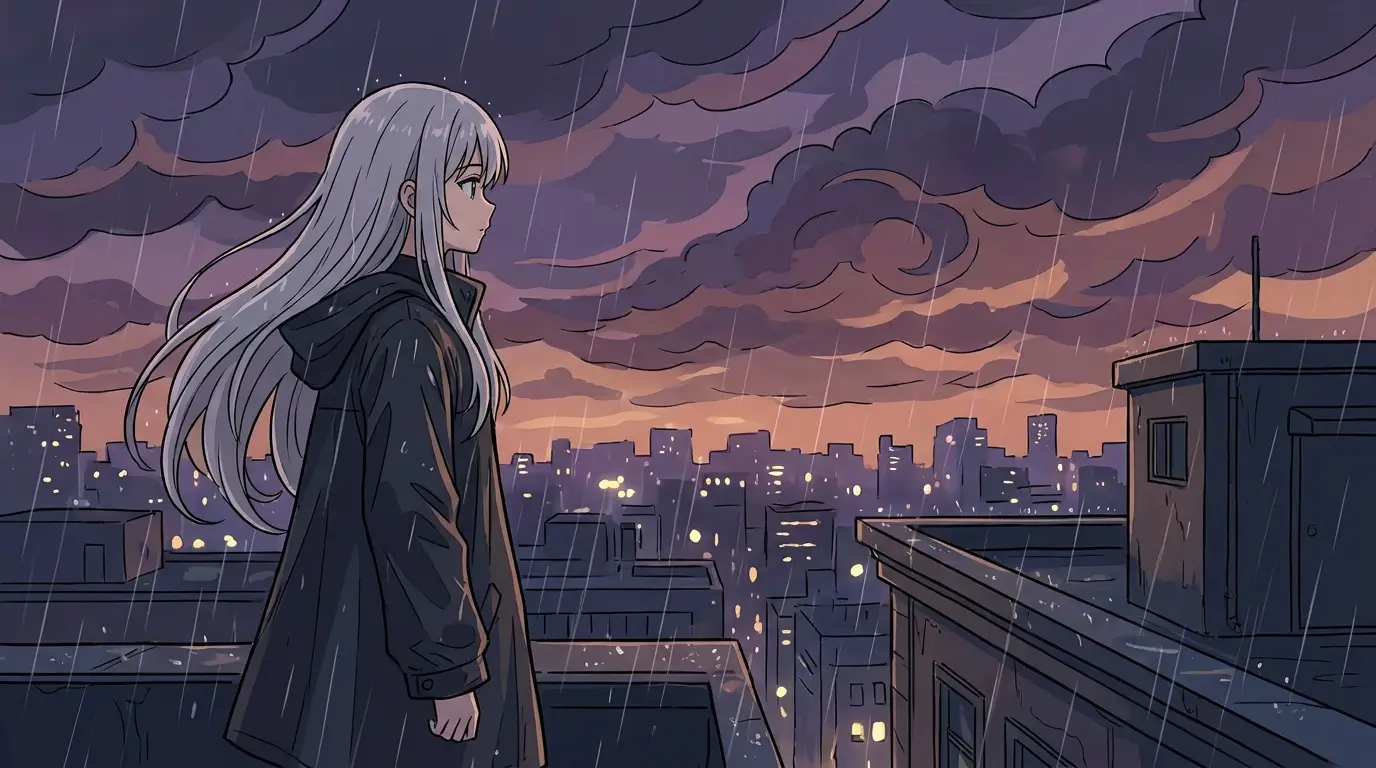
Work in three passes. Mood boards first: fast, loose batches on flux-schnell to find your world's emotional palette — try "overgrown brutalist ruins, bioluminescent flora" against five alternatives in an hour. Keyframes second: hero renders on flux-2 or gpt-image-2 depicting the pivotal moments of play — the vista after the canyon, the boss arena at dusk. These are the images that align a team and sell a pitch. Asset passes last: props, wildlife, architecture details, generated inside the established direction.
Enforce art direction with a style token
Consistency across a team of prompters comes from one mechanism: a shared art-direction string appended to every prompt — for example "painterly concept art, muted earth palette, strong silhouettes, volumetric haze". Treat it like a style guide entry: versioned, documented, and mandatory. When the art director updates the string, the whole team's output shifts together. Without it, ten people generate ten different games.
Silhouette first, detail later
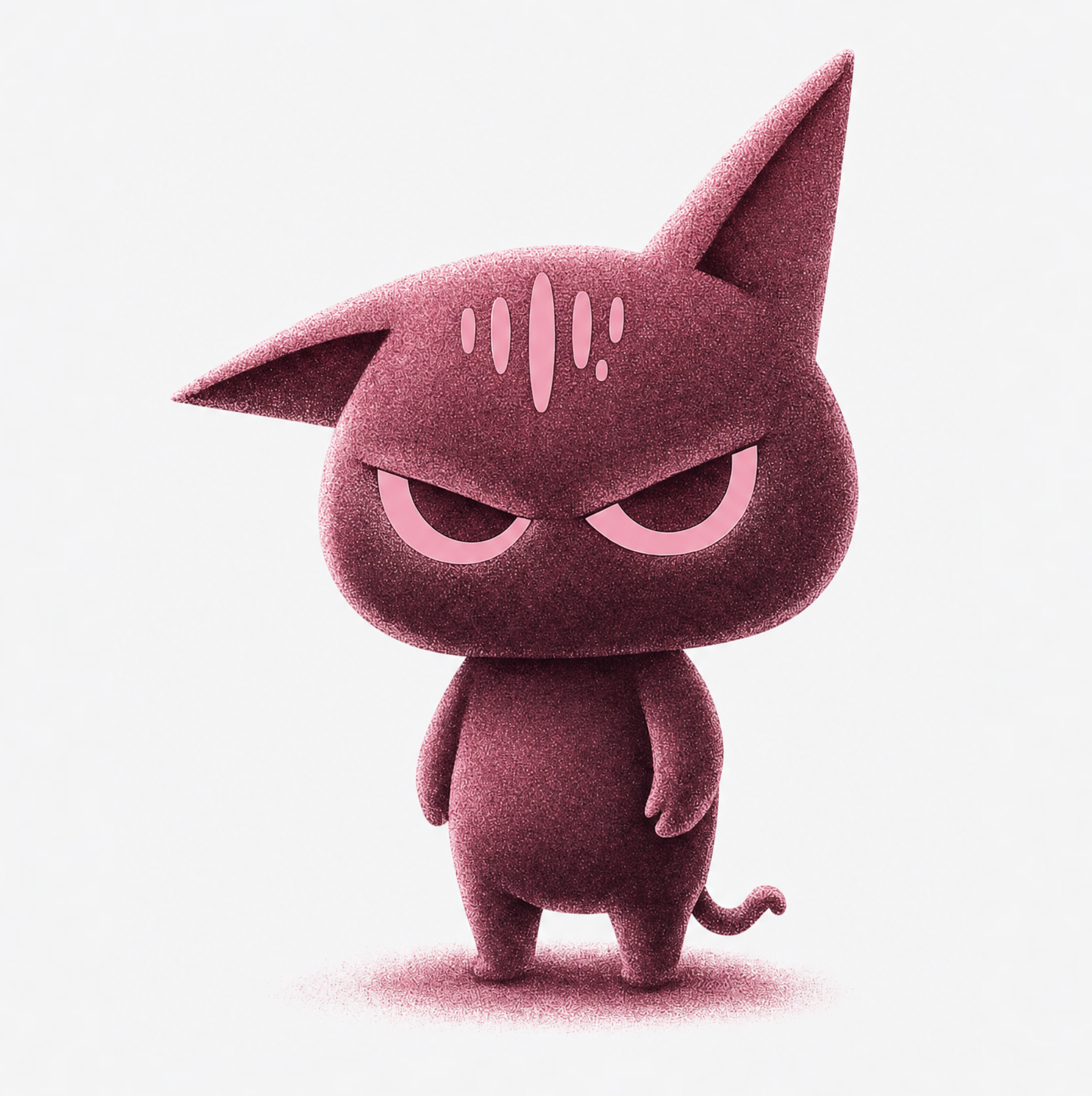
Borrow the classic concept-art discipline: a character or creature reads through silhouette before any surface detail matters. Generate first passes with prompts like "strong readable silhouette, simple value blocking, minimal detail" and evaluate shapes in bulk — ten silhouettes cost minutes. Only the survivors deserve a detailed render. This is exactly how experienced concept teams work; generation just removes the hours between iterations.